Fats: Types, Functions, and Dietary Sources
Understanding Lipids in Human Nutrition and Physiology
Introduction to Lipids
Lipids, commonly called fats, are a diverse group of hydrophobic (water-repelling) molecules. Despite their reputation in popular discourse, dietary fats are essential for numerous physiological processes. They provide concentrated energy—9 calories per gram compared to 4 calories per gram for protein and carbohydrates—and serve structural and regulatory roles.
Fats are classified based on their molecular structure, which determines how they function in the body. Different fat types have distinct nutritional properties and physiological effects.
Biological Functions of Fats
- Energy Storage: Excess energy is stored as fat in adipose tissue for later use
- Cell Membrane Structure: Phospholipids form the lipid bilayer of cell membranes
- Hormone Production: Cholesterol serves as a precursor for steroid hormones and vitamin D
- Vitamin Absorption: Fat-soluble vitamins (A, D, E, K) require dietary fat for absorption
- Insulation and Protection: Subcutaneous fat insulates the body; visceral fat protects organs
- Nutrient Signaling: Various lipids serve as signaling molecules affecting inflammation, metabolism, and other processes

Types of Dietary Fats
Saturated Fats
Saturated fats have a fully saturated carbon backbone with no double bonds between carbon atoms. They are typically solid at room temperature. Sources include:
- Animal products: beef fat, pork lard, butter, dairy fat
- Tropical oils: coconut oil, palm oil
Saturated fat's relationship to cardiovascular health remains an active area of nutritional research, with recent evidence suggesting the relationship is more nuanced than previous models suggested.
Monounsaturated Fats
These fats have one double bond in the carbon chain and are typically liquid at room temperature. Sources include:
- Olive oil, avocado oil, peanut oil
- Avocados, nuts, seeds
- Some animal products in moderate amounts
Polyunsaturated Fats
Multiple double bonds characterize these fats. They include essential fatty acids that must be consumed:
- Omega-3 Fatty Acids: Fatty fish (salmon, mackerel), walnuts, flax seeds, chia seeds. Associated with inflammation regulation and brain function.
- Omega-6 Fatty Acids: Vegetable oils, seeds, nuts. Necessary but should be balanced with omega-3 intake.
Trans Fats
Artificially created through hydrogenation of vegetable oils, trans fats are generally recognized as the fat type with the most unfavorable health effects. They have become increasingly uncommon in food supplies due to regulatory restrictions in many countries.
Cholesterol in Diet and Health
Cholesterol is a lipid that serves essential functions: it's a component of cell membranes, a precursor for steroid hormones, and necessary for vitamin D synthesis. The body produces cholesterol endogenously, and dietary cholesterol contributes to total cholesterol levels.
The relationship between dietary cholesterol and blood cholesterol is complex and varies significantly among individuals based on genetics and overall diet composition. Current scientific understanding suggests that dietary saturated fat may have a greater impact on blood cholesterol than dietary cholesterol itself.
Cholesterol itself does not have an inherent moral or health value; rather, how cholesterol is transported and metabolized appears more relevant to cardiovascular health, influenced by factors including overall dietary patterns, physical activity, genetics, and individual metabolic factors.
Fat Solubility and Nutrient Absorption
Vitamins A, D, E, and K are fat-soluble vitamins, meaning they are better absorbed and stored when consumed with dietary fat. This is why consuming vegetables like spinach or carrots with oil, butter, or other fats enhances nutrient absorption compared to consuming them without fat.
This principle demonstrates why dietary fat isn't simply a caloric consideration—it plays essential roles in nutrient bioavailability and absorption.
Dietary Fat Sources
Plant-Based Fat Sources
- Olive oil, coconut oil, avocado oil
- Avocados, olives
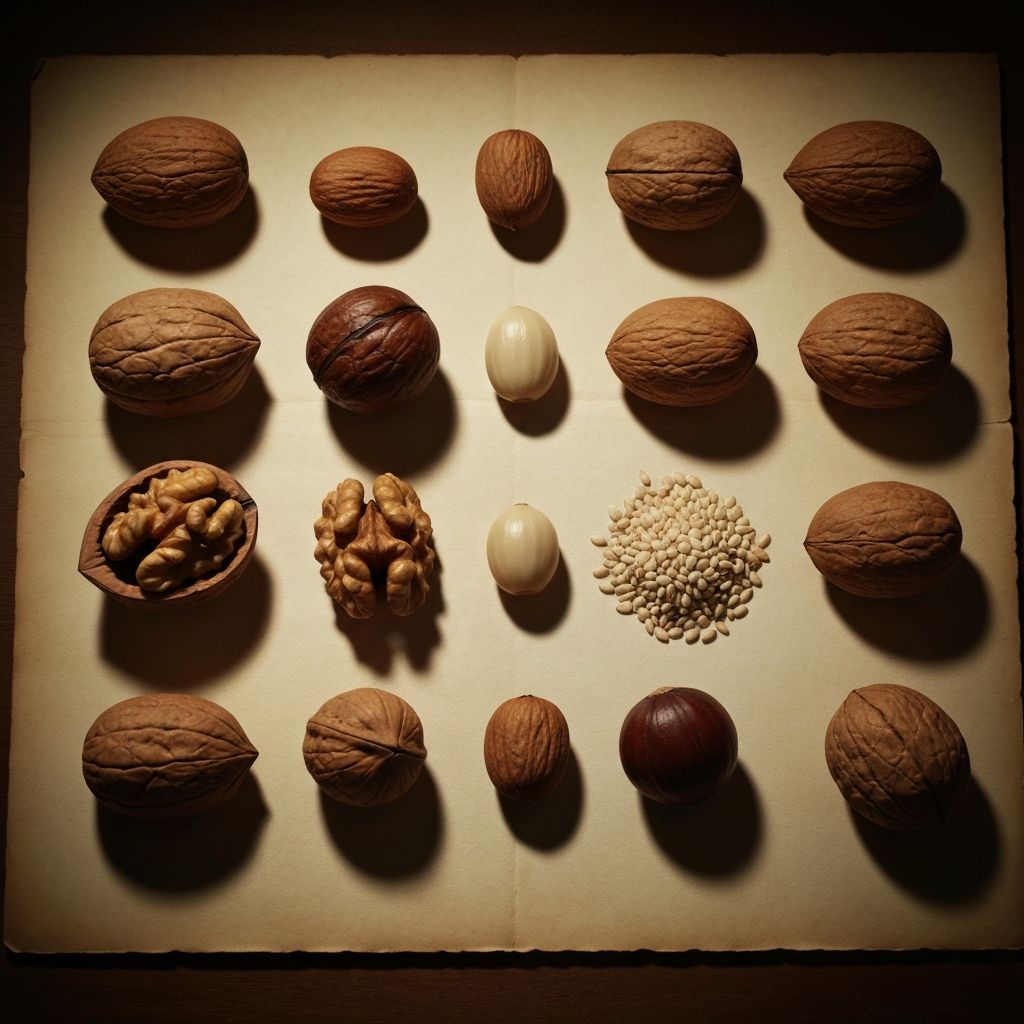
- Nuts: almonds, walnuts, macadamia
- Seeds: flax, chia, pumpkin, sunflower
Animal-Based Fat Sources
- Fatty fish: salmon, mackerel, sardines
- Meat and poultry
- Eggs and dairy products
- Shellfish and other seafood